Dental Emergency During Pregnancy: What Is Safe?
Pregnancy changes the way every symptom feels. A toothache that might have been an annoyance six months earlier can suddenly become a source of real worry, not only because of pain, but because many pregnant patients are unsure what care is safe. They hesitate, try to wait it out, or rely on home remedies far longer than they should. That delay is often the riskiest part.
A true dental emergency during pregnancy deserves prompt attention. Infection, swelling, fever, difficulty swallowing, trauma, or uncontrolled bleeding are not problems to watch passively. Dental pain can interfere with eating, sleeping, hydration, and blood sugar control. A spreading infection is not safer than treatment simply because someone is pregnant. In practice, the goal is not to avoid care. It is to choose the right care, at the right time, with the right precautions.
The reassuring news is that most urgent dental treatment can be done safely during pregnancy. Dentists and obstetric teams handle this situation regularly. The details matter, though. What is safe depends on the nature of the emergency, the stage of pregnancy, the patient’s medical history, and whether infection or trauma is involved.
The first principle: treat the problem, do not ignore it
Many pregnant patients have heard some version of “wait until after delivery for dental work.” That advice is too broad to be useful. It may apply to elective treatment, such as purely cosmetic procedures or non-urgent replacements. It does not apply to a suspected abscess, a broken tooth with exposed nerve tissue, facial swelling, or a knocked-out tooth.
Untreated dental infection can worsen quickly. A small area of decay can turn into nerve pain, then a localized abscess, then facial swelling. Once swelling begins, especially in the lower jaw or under the tongue, the situation can become more serious because it may affect swallowing or, in rare cases, breathing. In those moments, the question is not whether pregnancy makes treatment complicated. The question is how quickly the infection can be controlled.
I have seen patients come in apologizing for “making a fuss” over a toothache, only to find a significant infection that required same-day treatment and antibiotics. I have also seen the opposite, someone who called immediately for a cracked molar and avoided a root canal because the problem was treated early. Timing changes outcomes.
What counts as a dental emergency in pregnancy
Not every dental issue is an emergency, but several deserve urgent evaluation. Severe, persistent tooth pain is one. Swelling in the gums, cheek, or jaw is another. Trauma from a fall, sports injury, or biting something hard can leave a tooth cracked, displaced, or loose. Bleeding that does not stop, particularly after a dental procedure or injury, also warrants prompt care.
Pregnancy itself can make gums more reactive. Because of hormonal changes, some patients develop pronounced inflammation and bleeding even with gentle brushing. A small gum growth, often called a pregnancy tumor or pyogenic granuloma, can also appear. These growths are usually benign, but if one bleeds heavily, becomes painful, or interferes with eating, a dentist should examine it. Not every dramatic-looking oral change is dangerous, but it still needs the right diagnosis.
What treatment is generally considered safe
The safest way to think about urgent dental care in pregnancy is this: diagnosis and infection control come first. Dentists can usually perform exams, take necessary X-rays with shielding, numb the area with appropriate local anesthetic, and provide treatment to stop pain or eliminate infection.
Local anesthetic is a common source of fear. In most cases, standard dental anesthetics used appropriately are considered acceptable during pregnancy. Being fully numb is not a luxury. It reduces stress, allows the dentist to work efficiently, and helps avoid prolonged pain responses. A patient who sits through a procedure while tense and in pain is not better off than one who is comfortably anesthetized.
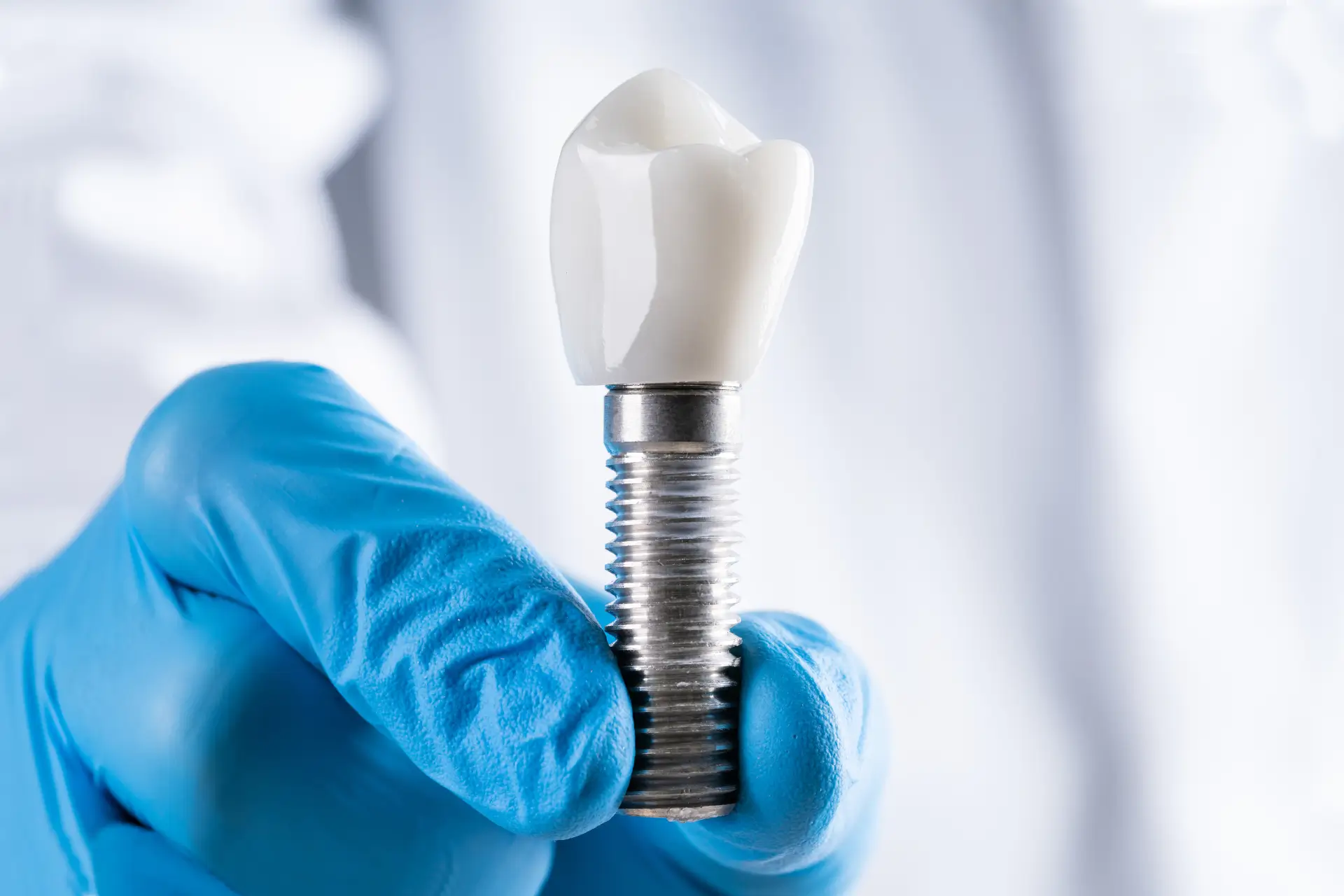
Emergency procedures that are often appropriate during pregnancy include draining an abscess, performing a root canal on an infected tooth, placing a temporary or definitive filling, smoothing a broken tooth, re-cementing a crown, or extracting a tooth that cannot be saved. The exact choice depends on the diagnosis. Sometimes a dentist will do the minimum needed to stabilize the situation during pregnancy, then finish elective parts after delivery. In other cases, definitive treatment right away is the best and safest option.
X-rays and the fear they create
Dental X-rays cause more anxiety than they usually deserve. Patients often imagine that any imaging near the head or mouth is dangerous to the fetus. In reality, dental radiographs involve a very small amount of radiation, and modern digital systems have reduced exposure further. When an X-ray is needed to diagnose infection, assess trauma, or guide urgent treatment, avoiding it can be more harmful than taking it.
A dentist will usually use a lead apron or shielding according to office protocol and keep the imaging as limited as possible. One or two targeted films to identify the source of severe pain are very different from a broad set of non-urgent screening images. Context matters. If someone has swelling and cannot localize which tooth hurts, the X-ray is part of safe care, not an unnecessary extra.
Which trimester is best, and what if it is the first or third?
The second trimester is often the most comfortable window for dental treatment. Nausea tends to ease, the uterus is not yet so large that lying back becomes difficult, and scheduling urgent or necessary work is generally straightforward. That said, emergencies do not wait for ideal timing.
In the first trimester, providers tend to be more conservative with elective procedures, but urgent treatment still goes ahead when needed. Severe infection in early pregnancy is not something to postpone out of principle. The dentist may keep the appointment shorter, limit medications to those truly necessary, and coordinate with the obstetric clinician if there are complicating factors.
In the third trimester, comfort and positioning become more important. Some pregnant patients feel dizzy or short of breath when lying flat because the uterus can compress major blood vessels. A small tilt to the left side, a pillow under one hip, more frequent breaks, and shorter visits often solve the problem. If the patient is near term, the team may avoid long non-urgent appointments, but again, urgent care is still appropriate.
Pain relief, and why “natural” is not always safer
Pain during pregnancy often pushes people toward home remedies, but home remedies vary widely in safety and usefulness. Clove oil may temporarily dull a painful tooth, but it does not treat infection. Holding aspirin directly against the gum can cause a chemical burn. Essential oils, herbal rinses, and internet remedies often sound gentle but can irritate tissue or delay proper care.
For pain relief, acetaminophen is commonly used during pregnancy, but any medication choice should follow the advice of the patient’s own obstetric clinician and dentist, especially if there are liver issues, high-risk pregnancy concerns, or other medications in the picture. Nonsteroidal anti-inflammatory drugs are more complicated in pregnancy and should not be taken casually without guidance. The same caution applies to prescription pain medicines. The safest medication is the one chosen for the specific patient, at the lowest effective dose, for the shortest necessary time.
Sometimes the best pain management is not another tablet. It is draining the abscess, removing the inflamed nerve tissue, or adjusting the broken tooth that is causing constant nerve exposure. When the cause is fixed, the need for medication often drops sharply.
Antibiotics, when they help, and when they do not
Patients often ask for antibiotics when they are in severe dental pain. Sometimes that is exactly right, especially when there is swelling, fever, or evidence of spreading infection. Sometimes it is not. A deep cavity that has inflamed the nerve may hurt intensely but will not improve with antibiotics alone if there is no drainable infection. In that setting, the tooth needs dental treatment, not just medication.
When antibiotics are indicated, dentists choose agents with pregnancy safety in mind and take allergy history seriously. It is also worth remembering that antibiotics are supportive care, not definitive care, in many dental emergencies. They can buy time, reduce spread, and help the body recover, but they do not remove decay, seal a crack, or clean out an infected root canal system by themselves.
This distinction matters because many patients feel better for a few days after Dental Emergency starting antibiotics and then cancel follow-up treatment. A week or two later the infection returns, sometimes worse than before. Temporary improvement can be misleading.
Sedation and anesthesia need more caution
Most routine dental emergencies in pregnancy are managed with local anesthetic alone, and that is usually the preferred route. Sedation introduces more variables. Nitrous oxide, oral sedatives, and IV sedation require case-by-case judgment and office-specific policies. If a patient has extreme anxiety, a traumatic injury, or a procedure that cannot be completed comfortably under local anesthetic, coordination with the obstetric clinician becomes more important.
Hospital-based care may be the best option for complex emergencies, especially if there are airway concerns, significant facial swelling, severe medical complications, or a need for deeper anesthesia. This is not the common path, but it is the right one in select cases. Pregnancy does not rule out serious treatment. It simply raises the threshold for planning carefully.
Gum bleeding, loose teeth, and pregnancy-related oral changes
Pregnancy can make ordinary dental symptoms look alarming. Gums may bleed much more easily, especially during brushing or flossing. Existing gingivitis often flares. Some women report a sensation that teeth feel slightly loose. That can happen when inflamed gum tissue and supporting structures become more reactive, although true dangerous mobility is less common than people fear.
These changes do not mean the teeth are destined to be lost. They usually mean oral hygiene needs more attention, not less. Ironically, bleeding gums cause some patients to stop flossing, which allows inflammation to worsen. A gentle but consistent cleaning routine is usually better than backing off entirely.
That said, a noticeably loose tooth after trauma, or a tooth that suddenly shifts position with pain, needs urgent evaluation. Hormonal changes can explain some gum tenderness. They do not explain every problem.
When to call the dentist today, and when to head to urgent care or the ER
A practical way to think about urgency is to separate pain from danger. Significant pain needs prompt dental care. Signs of spreading infection or compromised breathing need immediate medical attention.
Seek urgent evaluation right away if you have:
- Facial swelling that is increasing, especially if it reaches the eye, jawline, or neck
- Fever with dental pain or a foul taste from pus drainage
- Trouble swallowing, trouble opening the mouth, or any sense that breathing is affected
- A knocked-out, displaced, or badly broken tooth after injury
- Bleeding that does not stop after applying pressure
If the issue is a severe toothache without swelling or fever, it may still be a same-day or next-day dental problem, just not necessarily an emergency room problem. Emergency departments can help with swelling, fever, dehydration, and serious pain control, but they often cannot provide definitive dental treatment. Whenever possible, a dentist is the right first call.
How dentists adapt treatment for pregnant patients
Good emergency care during pregnancy often looks ordinary on the surface, but several quiet adjustments make it safer and more comfortable. Appointment timing matters. Many pregnant patients do better earlier in the day before fatigue sets in. Positioning matters too. A slight left tilt can prevent lightheadedness late in pregnancy. So can sitting more upright during breaks.
Communication matters even more. A dentist should know the due date, any pregnancy complications, blood pressure concerns, diabetes status, medication list, and the name of the obstetric clinician if coordination is needed. If a patient has preeclampsia, significant nausea, a history of preterm labor, or restrictions from the obstetric team, that information can shape treatment decisions.
There is also a practical point that rarely gets discussed enough: hydration and food intake. A pregnant patient who arrives after vomiting all morning may tolerate treatment very differently than one who has eaten and feels stable. Even a short emergency visit goes better when the team understands the full picture.
What to do before the appointment
When someone calls about a dental emergency during pregnancy, a few steps help the visit go more smoothly. First, describe the symptoms clearly. “Pain on the lower right with swelling that started Dental Emergency this morning” is more useful than “my whole mouth hurts.” Second, mention how far along the pregnancy is and whether there are any special medical instructions from the obstetric clinician. Third, do not place aspirin on the tooth or gum, and do not use leftover antibiotics from an old prescription.
Until you are seen, these measures are usually sensible:
- Rinse gently with warm salt water if the area is irritated
- Use a cold compress on the outside of the face for swelling from trauma or inflammation
- Eat soft foods and avoid chewing on the painful side
- Take only medications approved by your pregnancy care team or dentist
- Call back promptly if swelling spreads or fever develops
If a permanent crown falls off, save it and bring it in. If a tooth is knocked out, time matters, and immediate instructions from the dental office can sometimes make the difference between saving and losing it.
Common emergencies, and how they are usually handled
A cracked tooth is one of the most frequent pregnancy-time emergencies, often because nausea, reflux, cravings for hard foods, and interrupted routines can expose existing dental weaknesses. If the crack is superficial, the dentist may smooth the area or place a protective restoration. If the crack reaches the nerve, a root canal or extraction may be necessary. The key factor is not the pregnancy. It is how deep the damage goes.
A dental abscess is another common scenario. Patients often describe throbbing pain, sensitivity to biting, a bad taste, and swelling near the gum. Treatment may involve opening the tooth, draining the infection, prescribing antibiotics if indicated, and planning follow-up care. The worst approach is to hope it “drains on its own” and disappears for good. It rarely does.
Trauma can be more complicated. Falls happen more often in pregnancy than many people realize because balance changes as the center of gravity shifts. A hit to the mouth may create hidden fractures even when a tooth looks mostly intact. Teeth can also be intruded, meaning pushed upward, or luxated, meaning displaced. Those cases need careful examination and often imaging. A loose baby tooth in a child might be watched. A mobile adult tooth after trauma needs real assessment.
Severe gum swelling around a partially erupted wisdom tooth can also become urgent. Food and bacteria trap under the gum flap, leading to pain and swelling. The treatment may be cleaning the area, irrigation, local management, and in some cases antibiotics. If the wisdom tooth becomes a repeated source of infection, extraction may still be the wiser course, even during pregnancy, depending on severity.
Coordination with the obstetric clinician
Not every dental emergency requires a call to the obstetric office, but communication is useful when the pregnancy is high risk, the patient needs significant medication, sedation is being considered, or there are medical complications like hypertension, bleeding disorders, or diabetes. Most obstetric clinicians would much rather answer a focused dental question early than hear later that a serious infection went untreated out of uncertainty.
Sometimes patients think they need a written clearance form before any dental care. Offices differ in their policies. For straightforward urgent treatment in a healthy pregnancy, treatment often proceeds without delays. For more complex cases, a quick note or call can clarify medication preferences, blood pressure concerns, or positional recommendations. Good collaboration lowers stress on all sides.
Prevention matters more during pregnancy, not less
A large number of pregnancy-related dental emergencies start as non-emergencies that were postponed. Morning sickness exposes teeth to acid. Snacking frequency often rises. Fatigue makes brushing at night easier to skip. Gums bleed, so flossing gets abandoned. By the time pain appears, the underlying problem may have been developing for months.
Preventive care during pregnancy is not cosmetic maintenance. It is risk reduction. Routine cleanings, exams, and attention to early decay can prevent the kind of infection that becomes urgent in the third trimester. Even simple advice, like rinsing with water or a baking soda solution after vomiting rather than brushing immediately, can protect enamel that has been softened by stomach acid.
Patients who have a history of clenching, large fillings, frequent cavities, or prior root canals should be especially alert to small changes. A tiny chip, occasional cold sensitivity, or a crown that feels slightly loose is easier to manage than a weekend abscess.
The bottom line for a worried patient
If you are pregnant and dealing with a possible Dental Emergency, the safest move is usually to get evaluated, not to wait and hope. Dentists can adapt care for pregnancy. X-rays, local anesthetic, and urgent procedures are often appropriate when the clinical need is real. The larger risk is usually the untreated infection, the spreading swelling, the sleepless nights, and the strain on eating and hydration.
Pregnancy does not require perfect teeth. It does require timely decisions. If something feels wrong, especially if there is swelling, trauma, fever, or severe pain, call the dentist and say clearly that you are pregnant and need urgent advice. That one call often turns a frightening situation into a manageable one, which is exactly what safe care is supposed to do.
Vitality Dental
Address: 1220 Coit Rd #106, Plano, TX 75075
Phone number: +19726454100
FAQ About Dental Emergency
What can the ER do for a tooth?
An emergency room (ER) can manage pain and treat severe infections with medication, but it cannot fix or pull a tooth.
What is considered a dental emergency?
A dental emergency is any oral health problem that involves severe pain, uncontrollable bleeding, or an infection that threatens your health or requires immediate care to save a tooth.
Is there a 24-hour dental service in Plano, TX?
There is no physical dental clinic in Plano, Texas, that stays open with walk-in staff 24 hours a day, but several offices offer 24/7 phone support, late-night hours, or same-day emergency care.