Tooth Knocked Out? Emergency Steps to Save Your Smile
A tooth knocked out in a fall, a sports collision, or a split-second accident at home can turn an ordinary day into a genuine dental emergency. People often freeze in the moment because there is blood, pain, panic, and a child or adult asking the same question over and over: “Can it be saved?” Sometimes, yes. The catch is that the first few minutes matter more than most people realize.
When a permanent tooth is completely displaced from the mouth, dentists call it an avulsed tooth. That word sounds technical, but the practical issue is simple. The living cells on the root surface begin to dry out quickly once the tooth is out of the socket. Those cells help the tooth reattach properly. If they are badly damaged, even the best dental treatment becomes less predictable.
I have seen cases where a tooth was successfully saved because someone picked it up correctly, kept it moist, and got to a dentist fast. I have also seen teeth lost because they were scrubbed clean under hot water, wrapped in a napkin, or left on a countertop while a family searched online for advice. The difference often comes down to calm, informed action.
The first thing to know: not every knocked-out tooth is treated the same way
The response depends on whether the tooth is a permanent adult tooth or a baby tooth. That distinction is critical.
A permanent tooth should be treated as time-sensitive and potentially salvageable. A baby tooth usually should not be replanted, because doing so can damage the developing permanent tooth underneath. Parents sometimes assume any missing tooth should go back in immediately, but that is one situation where good intentions can create a bigger problem.
If you are unsure whether the tooth is baby or permanent, age helps but does not always settle it. Front permanent teeth often erupt around ages six to eight, but children develop at different rates. If a seven-year-old knocks out a front tooth, it may already be permanent. When in doubt, call a dentist right away and describe the situation clearly.
What to do in the first 30 minutes
In the first half hour, your goal is to protect the tooth, control bleeding, and reach professional care as fast as possible. Replanting a permanent tooth quickly, ideally within minutes, gives the best chance of long-term success.
Here are the immediate steps that matter most:
- Pick up the tooth by the crown, not the root. The crown is the part you normally see in the mouth. Touching the root can damage delicate surface cells.
- If the tooth is dirty, rinse it very briefly with milk or saline, or with clean water for just a few seconds. Do not scrub, scrape, or dry it.
- If it is a permanent tooth and the person is alert and cooperative, gently place it back into the socket and have them bite softly on clean gauze or cloth to hold it in place.
- If replanting is not possible, keep the tooth moist in cold milk, saline, or inside the person’s cheek if they are old enough not to swallow it. Then go to a dentist or emergency dental clinic immediately.
- Apply gentle pressure to bleeding areas with gauze and use a cold compress on the lip or cheek to reduce swelling.
Those steps sound straightforward on paper. In real life, they unfold in a rush, often in a parking lot, on a playing field, or in a bathroom mirror while adrenaline is high. That is exactly why it helps to remember the big rule: handle less, act faster.
Why the root must be protected
The root of a natural tooth is covered by microscopic fibers and cells from the periodontal ligament. These tissues are not built to withstand rough handling or drying. When someone grabs the root tightly, wipes it with a tissue, or disinfects it with alcohol or mouthwash, they can destroy the very tissue needed for healing.
People are often surprised by how little cleaning is appropriate. If a tooth falls in dirt, your instinct is to make it spotless. In this situation, “clean enough to replant” is better than “surgically clean but biologically damaged.” A brief rinse is acceptable. Scrubbing is not.
This is one of the more frustrating parts of emergency care, because common-sense household cleaning habits work against you. A knocked-out tooth is not a contact lens, a kitchen utensil, or a scraped knee. It is living tissue.
The best storage medium is the one you can get quickly
Milk remains the classic recommendation for a reason. It is easy to find, reasonably tooth-friendly, and far better than a dry tissue or cup. Saline is also good if you have it, such as a contact lens saline solution that is plain saline and not a disinfecting formula. Specialized tooth preservation kits exist, and schools or sports programs sometimes keep them, but most people will not have one nearby.
Storing the tooth in the mouth, tucked between the cheek and gums, can work for an older child or adult who can be trusted not to swallow it. I do not recommend that option for a young child, an injured person who is crying hard, or anyone who feels nauseated or dazed. Aspiration and swallowing are real risks.
Plain water is better than letting the tooth dry out, but it is not ideal for prolonged storage. If water is all you have in the first minute, use it only as a brief rinse and then move to milk if possible. A dry environment is the enemy.
Replanting at the scene, when it helps and when it does not
If a permanent tooth has come out whole and the person is conscious, cooperative, and not at risk of inhaling the tooth, immediate replantation can be the best move. That idea makes some people uneasy, but dentists would often rather see a tooth replaced promptly than carried around for an hour.
Still, there are important exceptions. If the person has multiple injuries, significant facial trauma, uncontrolled bleeding, vomiting, or signs of concussion, your priority Dental Emergency shifts. Airway, head injury, and overall safety come first. A tooth matters, but not more than the person.
There is also the question of fit. Sometimes the socket is distorted by trauma, or the tooth may be fractured. If the tooth does not slip back with light pressure, do not force it. Forcing can worsen damage. Place it in milk and head in for urgent care.
What the dentist will do once you arrive
At the dental office or emergency clinic, the team will assess several things quickly: whether the tooth is permanent, how long it has been out, whether it has been stored properly, whether the socket is intact, and whether there are other injuries such as lip lacerations, jaw trauma, or fractured teeth. Dental X-rays are common, partly to check the socket and partly to look for broken root fragments or neighboring damage.
If the tooth has already been replanted, the dentist will confirm position and stabilize it. If it is still out, they may clean the socket gently and reinsert the tooth. In many cases, the tooth is then splinted to adjacent teeth with a flexible material for a short period, often around two weeks, though exact timing depends on the injury.
Root canal treatment is common after avulsion, especially in mature permanent teeth with fully formed roots. That can surprise patients who thought putting the tooth back ended the story. Replantation is often just the first chapter. The long-term goal is to control infection, preserve bone, and keep the tooth functioning as long as possible.
Time changes the odds, but not always in a perfectly neat way
People often want a clean answer to the question, “How long do I have?” Dentistry does not always give one. The best outcomes generally happen when a permanent tooth is replanted within 15 to 30 minutes. The chance of success usually declines as extra-oral dry time increases. After about 60 minutes of dry storage, the prognosis becomes significantly worse.
That said, worse does not mean hopeless. A tooth that has been out longer may still be replanted, especially to preserve appearance and bone for a period of time. In younger patients, even a temporary save can be valuable while the mouth continues to grow. In adults, keeping a tooth in place for some time may support the bone and soft tissue contour better than an immediate gap.
This is where professional judgment matters. Not every replanted tooth becomes a lifelong keeper, but saving it even for a few years can have real functional and cosmetic value. Dentistry often involves choosing the best available option, not the perfect one.
Bleeding, pain, and what is normal in the moment
A knocked-out tooth usually bleeds, sometimes more than patients expect. The mouth is vascular, and even a small area can look dramatic. Steady pressure with clean gauze usually helps. If gauze is unavailable, a clean folded cloth can do in a pinch. Replace soaked material as needed, but keep pressure consistent rather than checking every few seconds.
Pain ranges widely. Some patients are in sharp distress, while others are more shocked than sore at first. Swelling in the lip and gums is common, especially when the injury came from a direct blow. A cold compress on the outside of the face can help. Over-the-counter pain medicine may be appropriate for many people, but that depends on age, medical history, allergies, and whether there are other Dental Emergency injuries. If a child is involved, families should use pediatric dosing guidance and avoid guessing.
Persistent heavy bleeding, severe jaw pain, trouble opening the mouth, or teeth that no longer fit together properly can signal more than a simple avulsion. Those findings raise concern for fractures or broader facial trauma.
The mistake parents make most often
With children, the most common mistake is assuming all teeth should be put back immediately. If it is a baby tooth, replanting is generally not advised. The reason is not just that baby teeth eventually fall out anyway. The main issue is the developing permanent tooth bud below. Trauma from reimplantation can disrupt normal eruption or damage the enamel of the future tooth.
Parents also worry, understandably, about appearance. A missing front tooth in a child can feel upsetting, especially in photos or at school. But the treatment decision should center on long-term oral development, not just the look of the next few months.
That said, a child who loses a tooth after trauma still needs prompt evaluation. The dentist may need to check for fragments embedded in the lip, injury to adjacent teeth, or intrusion injuries where another tooth has been pushed up into the gums rather than knocked out.
Sports injuries, playground falls, and household accidents
Many knocked-out teeth happen during contact sports, bike falls, scooter crashes, and rough play around pools or furniture. Adults are not exempt. Weekend basketball, home improvement accidents, slips on stairs, and even a startled pet can lead to a dental emergency.
The context matters because it influences what else may be injured. A baseball to the face can also damage the nose or jaw. A bathroom fall in an older adult may involve dizziness, blood thinners, or a risk of head injury. A workplace injury may require documentation and coordination beyond the dental repair itself.
Mouthguards deserve more credit than they often get. A properly fitted sports mouthguard will not prevent every injury, but it can reduce the severity of impact and lower the chance of tooth avulsion in many settings. Store-bought boil-and-bite guards are better than nothing. A custom guard from a dental office usually fits better, feels less bulky, and is more likely to be worn consistently.
When to skip the dentist and go straight to the emergency room
Not every oral injury belongs first in a dental chair. Some situations call for medical emergency care before dental treatment. These include loss of consciousness, confusion, repeated vomiting, difficulty breathing, suspected jaw fracture, uncontrolled bleeding, and deep facial cuts that may need urgent repair.
A practical rule helps here. If the person seems medically unstable, prioritize the emergency room. If the person is otherwise stable and the main problem is the tooth, contact a dentist or emergency dental provider immediately. In some communities, hospital emergency departments can address pain and basic triage but may not provide definitive dental treatment. That can cost precious time if the tooth is salvageable.
What happens if the tooth cannot be saved
Even with perfect first aid, not every avulsed tooth survives long term. The injury itself may be too severe, the root may resorb over time, or the supporting tissues may not recover. That can feel discouraging, especially if everyone moved fast and did the right things.
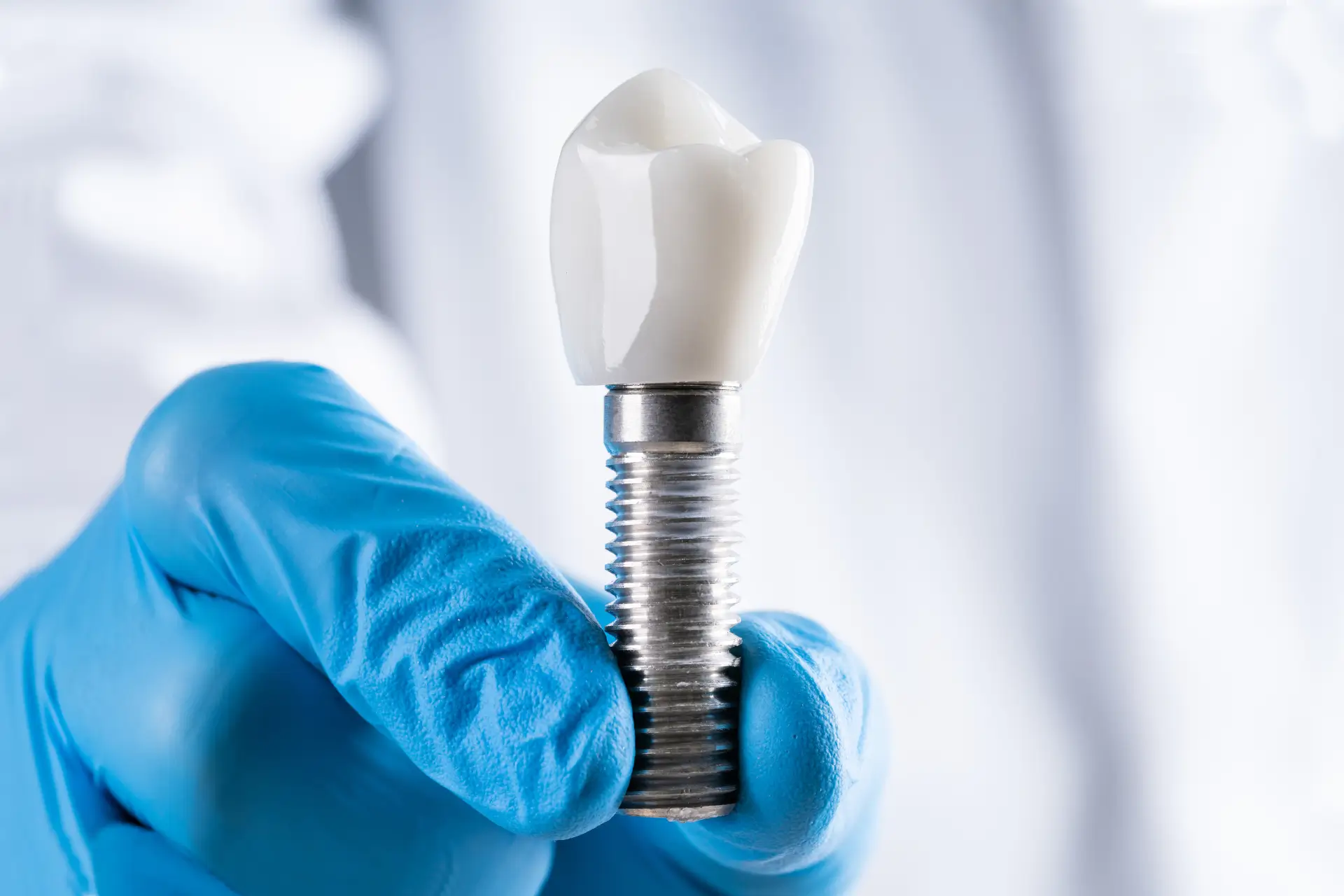
If the tooth is ultimately lost, modern replacement options are good, but they are not interchangeable. A dental implant can be an excellent choice in many adults once healing is complete, though timing matters and younger patients may need to wait until facial growth is finished. A bridge may work in selected cases but involves neighboring teeth. A removable temporary option can restore appearance during healing or planning.
The emotional side should not be dismissed, especially with front teeth. Losing a visible tooth changes how people smile, speak, and interact. Teenagers and young adults often feel this keenly. Good emergency care is not only about saving enamel and bone. It is also about protecting confidence and normal daily life.
A short aftercare checklist once the immediate crisis has passed
After the dentist has treated the injury, the next few days matter. Healing depends on follow-through as much as speed on day one.
- Follow the dentist’s eating instructions, which usually means softer foods and avoiding biting directly on the injured area.
- Keep the mouth clean with gentle brushing and any rinses your dentist recommends.
- Take prescribed medications exactly as directed, including antibiotics if they are given.
- Attend all follow-up visits, because complications such as infection or root resorption may not be obvious at first.
- Watch for increasing pain, swelling, fever, bad taste, or a tooth that feels looser rather than firmer, and report those changes promptly.
This is the part patients often underestimate. Once the tooth is back in place, it is tempting to think the crisis is over. In reality, the next weeks and months determine whether that early effort pays off.
The cases that stay with you
The most memorable tooth avulsion cases are not always the ones with the cleanest outcomes. Sometimes it is the soccer player whose coach knew exactly what to do and helped save a front tooth on the sideline. Sometimes it is the parent who arrived in tears because the tooth had been wrapped dry in tissue for two hours, only to learn there was still a path forward, even if not the ideal one. And sometimes it is the patient who came in for a “simple knocked-out tooth” and turned out to have a jaw fracture that needed urgent medical care.
Those cases reinforce the same lesson every time. A knocked-out tooth is one of the few dental injuries where layperson first aid can significantly change the result. Few people get warning or preparation. Most are improvising under stress. But a handful of correct moves, done quickly, can protect the smile, preserve bone, and buy the dentist a much better chance to help.
If you remember only a few essentials, remember these: act fast, hold the tooth by the crown, keep it moist, and seek immediate care. In a true dental emergency, minutes matter.
Vitality Dental
Address: 1220 Coit Rd #106, Plano, TX 75075
Phone number: +19726454100
FAQ About Dental Emergency
What can the ER do for a tooth?
An emergency room (ER) can manage pain and treat severe infections with medication, but it cannot fix or pull a tooth.
What is considered a dental emergency?
A dental emergency is any oral health problem that involves severe pain, uncontrollable bleeding, or an infection that threatens your health or requires immediate care to save a tooth.
Is there a 24-hour dental service in Plano, TX?
There is no physical dental clinic in Plano, Texas, that stays open with walk-in staff 24 hours a day, but several offices offer 24/7 phone support, late-night hours, or same-day emergency care.